How to Prepare Your Roof for Hurricane Season in Florida
A practical checklist for getting your roof ready before June 1, from the inspection and tree trimming to insurance photos and a post-storm plan.
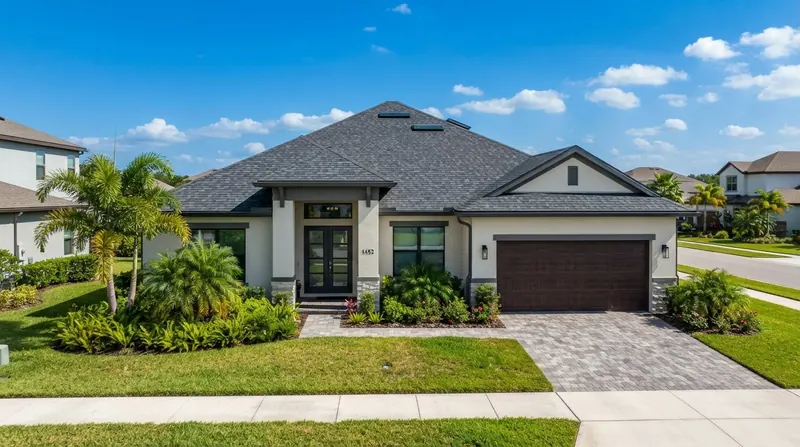
Atlantic hurricane season runs from June 1 to November 30, and in Southwest Florida the roof is the part of the house that takes the first hit. Most storm damage starts small: a lifted shingle, loose flashing, a cracked tile. Wind-driven rain finds those openings fast. The best time to prepare is in spring, before the first named storm, when roofers are not yet booked solid with emergency calls.
1. Get a professional roof inspection before June
An inspection finds the weak spots you cannot see from the ground: worn underlayment, loose fasteners, failing sealant, cracked pipe boots and soft decking. Fixing those before a storm costs far less than repairing water damage after one. Fair and Square Roofing offers free roof inspections across Lee and Collier counties, with a written estimate if anything needs attention.
2. Trim trees and clear the roof
- Cut back branches that hang over the roof or could fall on it.
- Remove dead palm fronds and coconuts. In hurricane winds they become projectiles.
- Clear leaves and debris from the roof, valleys and around vents so water can drain.
3. Clean gutters and downspouts
Tropical storms dump a lot of rain in a short time. Clogged gutters back water up under the roof edge and into the fascia and soffits. Make sure downspouts carry water away from the foundation.
4. Secure loose shingles, tiles and flashing
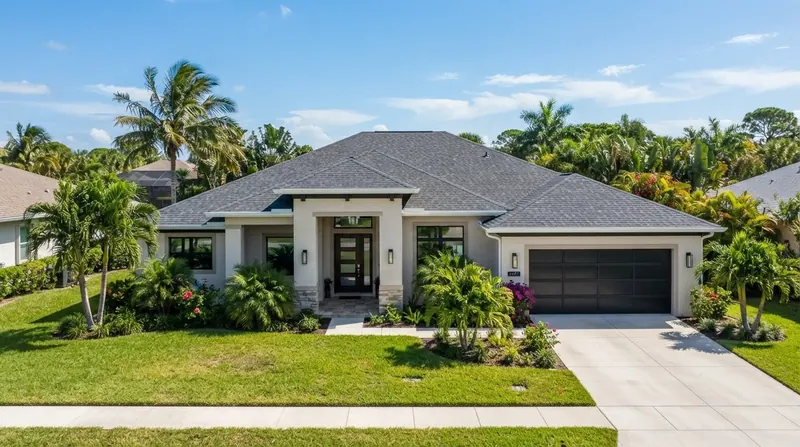
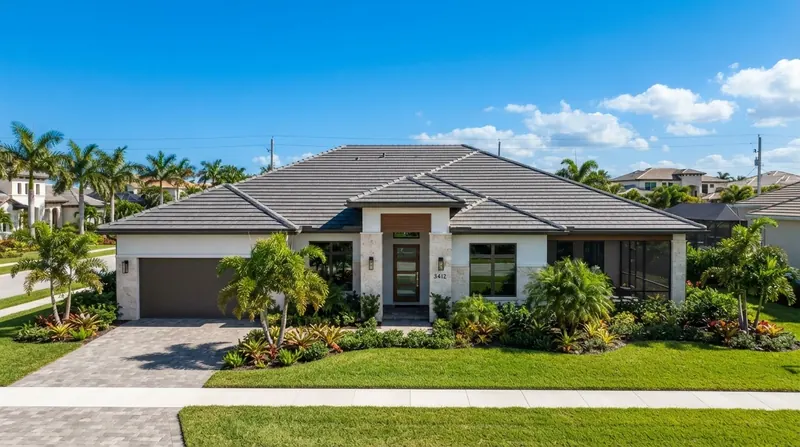
Loose or lifted shingles, cracked or slipped tiles, and flashing that has pulled away from walls or chimneys are the most common starting points for storm damage. Have them repaired and resealed before the season. On tile roofs, ridge and hip caps deserve special attention because they sit where wind pressure is highest.
5. Check how the roof is tied to the house
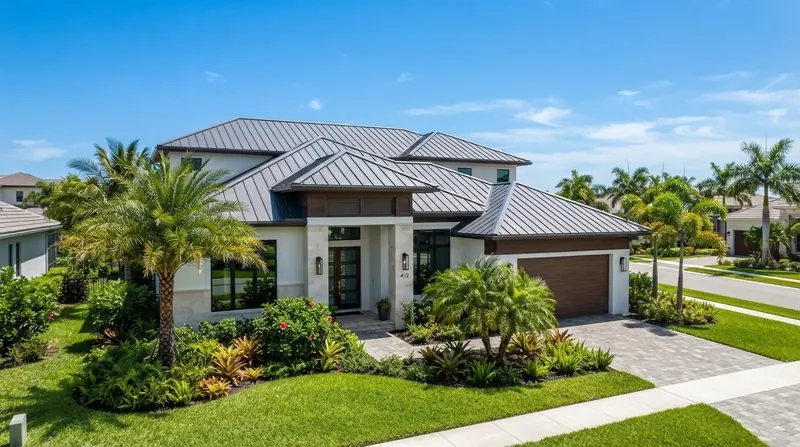
A roof's ability to stay on in a hurricane depends on how the roof deck is fastened and how the roof structure is connected to the walls. Hip roofs, straps or clips at the roof-to-wall connection, a properly nailed deck and a secondary water barrier all improve wind resistance. A wind mitigation inspection documents these features, and Florida insurers offer premium discounts for qualifying ones. Read more in our guide to hurricane-resistant roofing in Southwest Florida.
6. Look inside, too
Check ceilings and, if you can do it safely, the attic for water stains, damp insulation or daylight around penetrations. An existing small leak will get much worse in a tropical storm.
7. Document your roof for insurance
- Take dated photos of every side of the roof and of the attic before the season starts.
- Keep receipts and paperwork for your roof installation and any repairs.
- Know your policy. Florida homeowners policies usually carry a separate hurricane deductible, often a percentage of your dwelling coverage, so check what it is before a storm.
8. Make a post-storm plan
Save a licensed roofer's number in your phone before you need it. After a storm, stay off the roof, photograph damage from the ground, and schedule an inspection. Our post-hurricane roof inspection checklist covers what to check afterward. In Florida, you can verify any contractor's license on the DBPR license search before you hire.
Hurricane roof preparation checklist
- Professional roof inspection in spring
- Trim trees and remove dead palm fronds
- Clear roof debris, gutters and downspouts
- Repair loose shingles, tiles and flashing
- Check roof-to-wall connections and ask about a wind mitigation inspection
- Look for leaks inside and in the attic
- Photograph the roof and review your hurricane deductible
- Save a licensed roofer's number
Related questions
What should I do if my roof is damaged in a storm?
First, stay safe and keep off the roof. Take photos of any visible damage from the ground and of any leaks inside. If water is coming in, move belongings and catch drips. Then call us at (239) 503-0609 to schedule an inspection, and contact your insurance company to report the damage. Our post-storm roof inspection checklist covers what to look for.
Will my insurance company make me replace my roof because of its age?
Florida law limits this. Under section 627.7011, Florida Statutes, an insurer may not refuse to issue or renew a homeowner's policy solely because of the age of a roof that is less than 15 years old. For a roof that is at least 15 years old, the insurer must let you have the roof inspected by an authorized inspector before requiring replacement, and it may not refuse coverage solely because of age if the inspection shows at least five years of useful life remaining. Your insurer and agent have the final word on your specific policy.
Written by the Fair and Square Roofing team, a State Certified Roofing Contractor (CCC1331318) serving Lee and Collier counties.