Energy-Efficient Roofs: Save Money and Stay Cool
Reflective materials, ventilation and insulation can make a real difference in a Florida attic. Here is how energy-efficient roofs work.
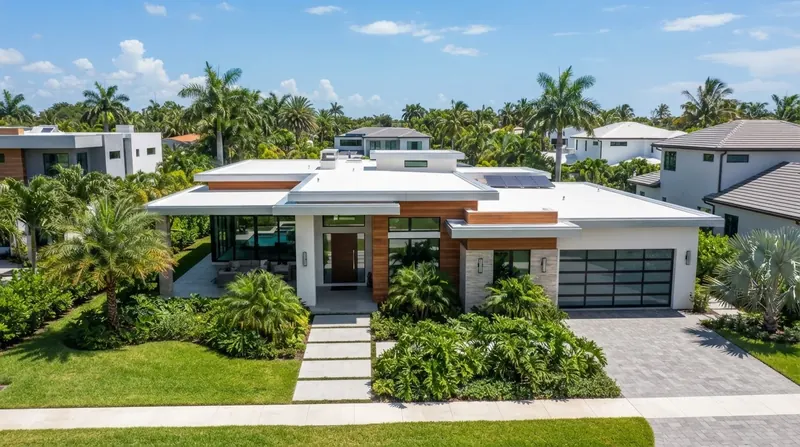
In Southwest Florida, the sun beats on a roof almost every day of the year, and a hot roof means a hot attic and an air conditioner that works harder. An energy-efficient roof reduces the heat that gets into the house in the first place. Here is how it works and what to consider when you re-roof.
How roofs heat a house
Dark, non-reflective roofing absorbs sunlight and gets very hot. That heat moves into the attic and then into the living space through the ceiling and any ductwork in the attic. Two properties matter most: solar reflectance, how much sunlight the surface reflects, and thermal emittance, how well it releases the heat it does absorb. Roofs that score well on both are often called cool roofs. The Cool Roof Rating Council publishes independent ratings for many roofing products.
Energy-efficient roof options
Light-colored and cool shingles
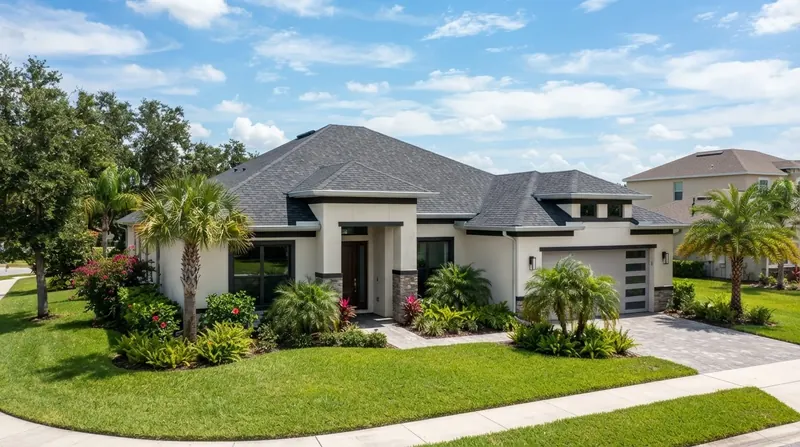
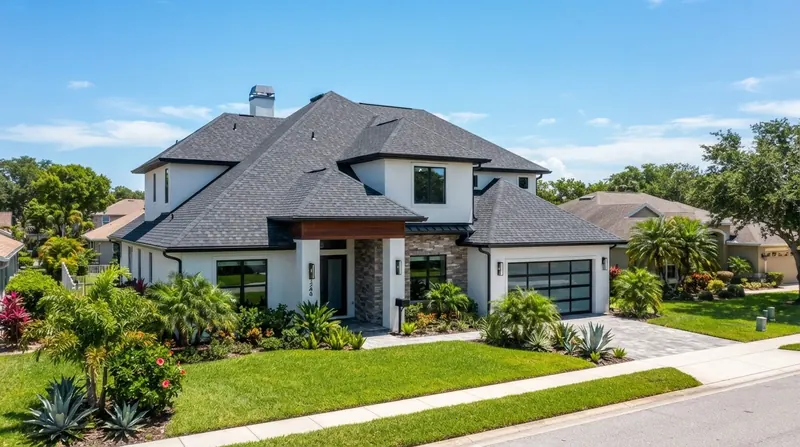
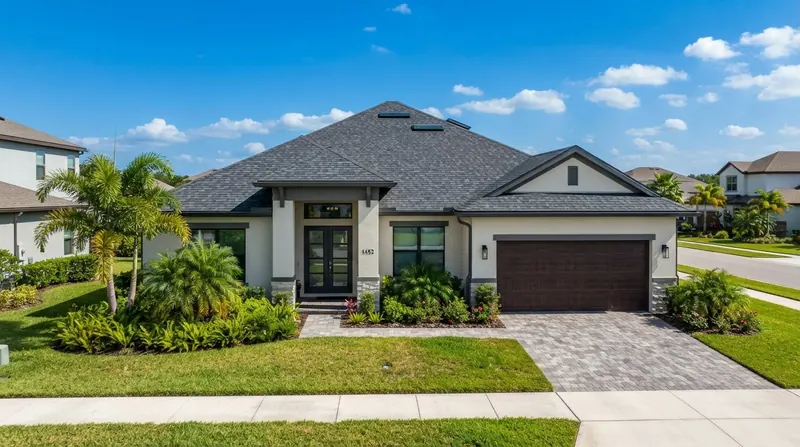
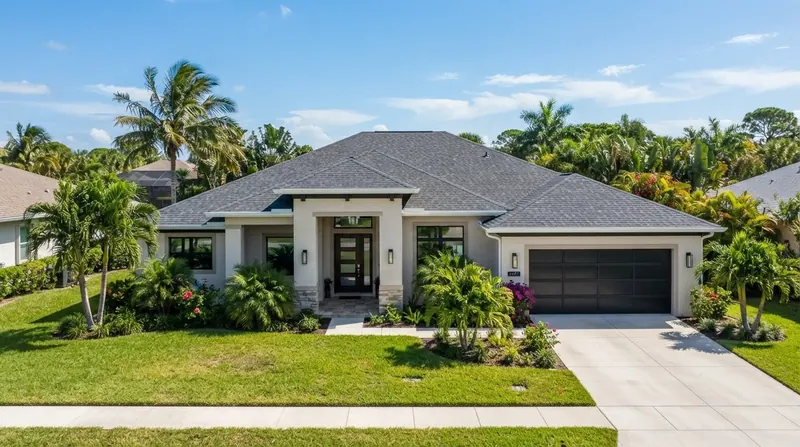
Lighter colors reflect more sunlight than dark ones, and some shingles use specially reflective granules. See our guide to shingle roofing in Florida.
Tile
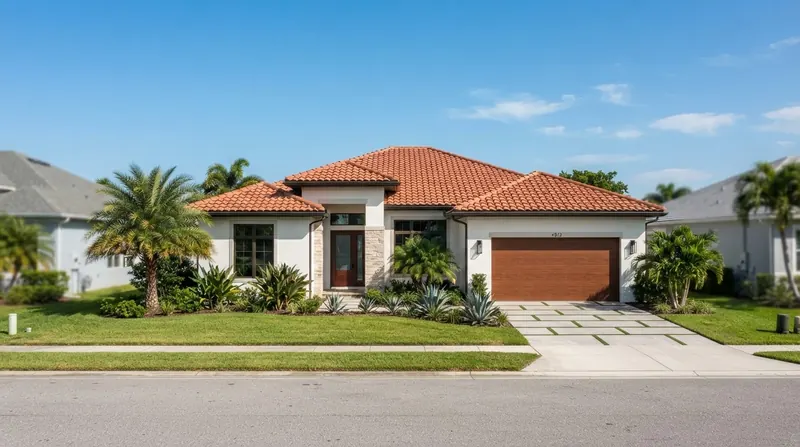
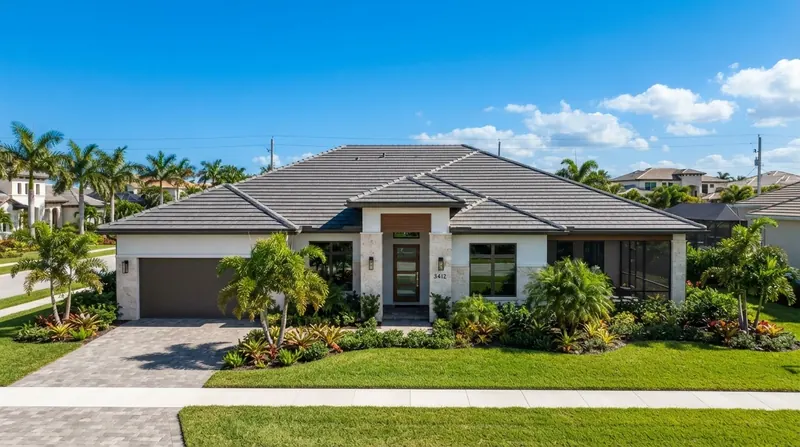
Clay and concrete tile are installed with an air space beneath them, which helps reduce heat transfer into the deck. Lighter tile colors reflect more sun. Learn about clay tile roofing.
Metal
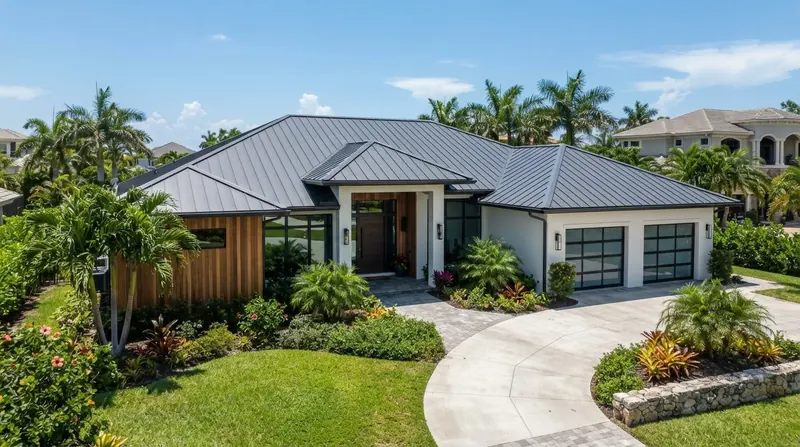
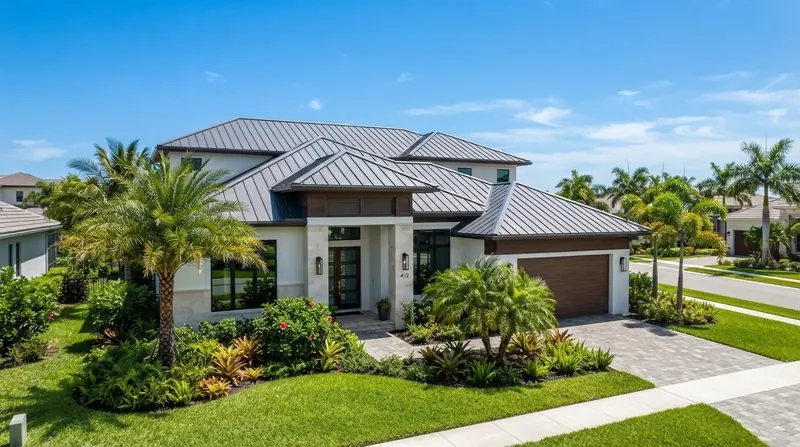
Metal roofs with reflective factory finishes bounce back a large share of the sun's energy and cool quickly after sunset. See metal roofing.
Flat roofs
Light-colored, reflective membranes are a common choice for flat and low-slope roofs, which see direct sun all day. See flat roofing.
Don't forget the attic
- Ventilation: balanced intake at the soffits and exhaust near the ridge lets hot air escape. Blocked soffit vents are common in Florida homes.
- Insulation: adequate attic insulation slows heat moving from the attic into the house.
- Radiant barriers: a reflective layer in the attic can reduce heat radiating down from the roof deck.
What it means for your bills
The savings depend on your home, insulation, ductwork and how you use air conditioning, so be wary of anyone promising a specific number. But in a climate where cooling runs most of the year, keeping roof heat out of the attic is one of the most practical ways to make a home more comfortable.
Plan it into your re-roof
A re-roof is the easiest time to choose a more reflective material and fix attic ventilation. Ask about energy-efficient options during your free estimate, and check HOA color rules first. Fair and Square Roofing serves homeowners across Lee and Collier counties; call (239) 503-0609.
Related questions
What roof type is best for Southwest Florida?
There is no single best roof, only the best fit for your house, budget and neighborhood rules. Architectural shingles are the most budget-friendly and fastest to install. Concrete and clay tile are common across Lee and Collier counties and suit Mediterranean and modern homes. Metal roofs are light, shed water quickly and handle heat well. Flat and low-slope roofs need membrane systems designed for ponding water. We walk you through the trade-offs for your home during the estimate.
Does my HOA need to approve a new roof?
Many communities in Estero, Naples, Bonita Springs and Fort Myers require architectural review approval before a re-roof, often including the material, profile and color. Check your HOA documents early. We provide the product and color details an application usually asks for, so approval does not hold up your project.
Written by the Fair and Square Roofing team, a State Certified Roofing Contractor (CCC1331318) serving Lee and Collier counties.